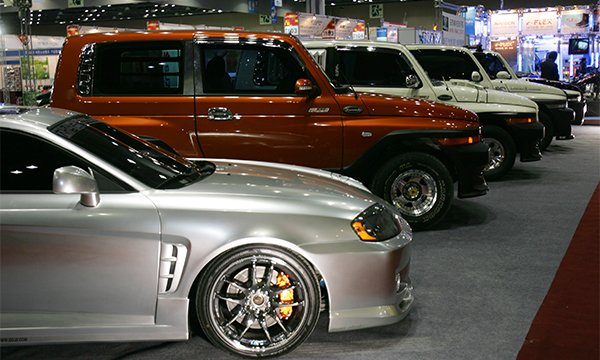
For decades, the global tuner scene was dominated by one country: Japan. From the late 1980s through the early 2000s, Japanese Domestic Market (JDM) cars became legends among enthusiasts. Cars like the Toyota Supra, Nissan Skyline GT‑R, and Mazda RX‑7 defined an era of affordable performance and limitless modification.
But today, something unexpected is happening in the tuner world.
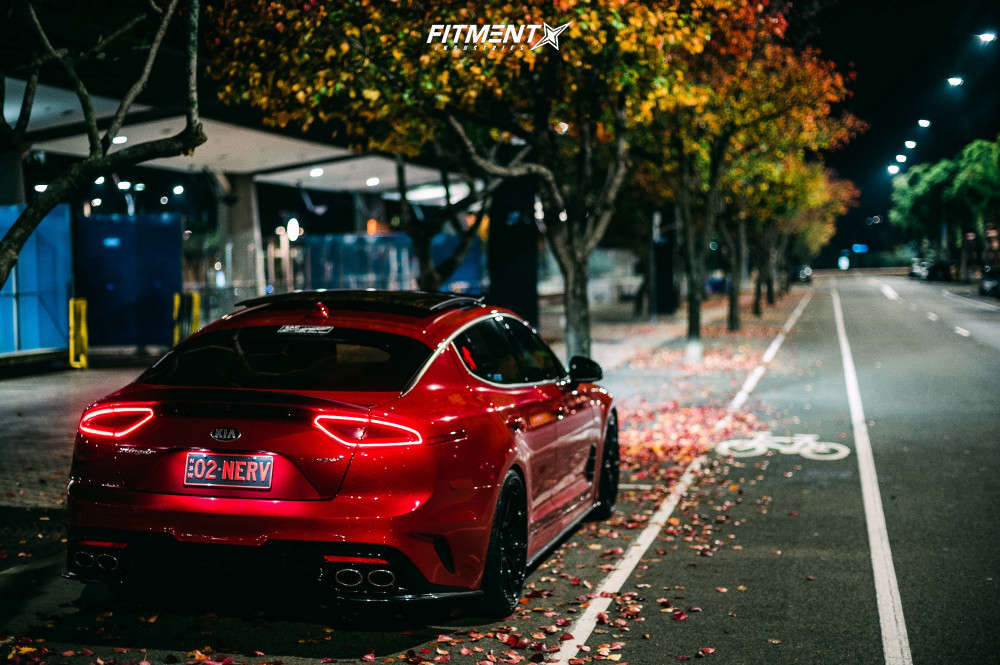
A new wave of performance cars is emerging from Korea. With vehicles like the Hyundai Elantra N, Hyundai Veloster N, and Kia Stinger GT gaining serious respect among enthusiasts, many are beginning to ask a surprising question:
Are Korean cars becoming the new JDM?
The Golden Age of JDM
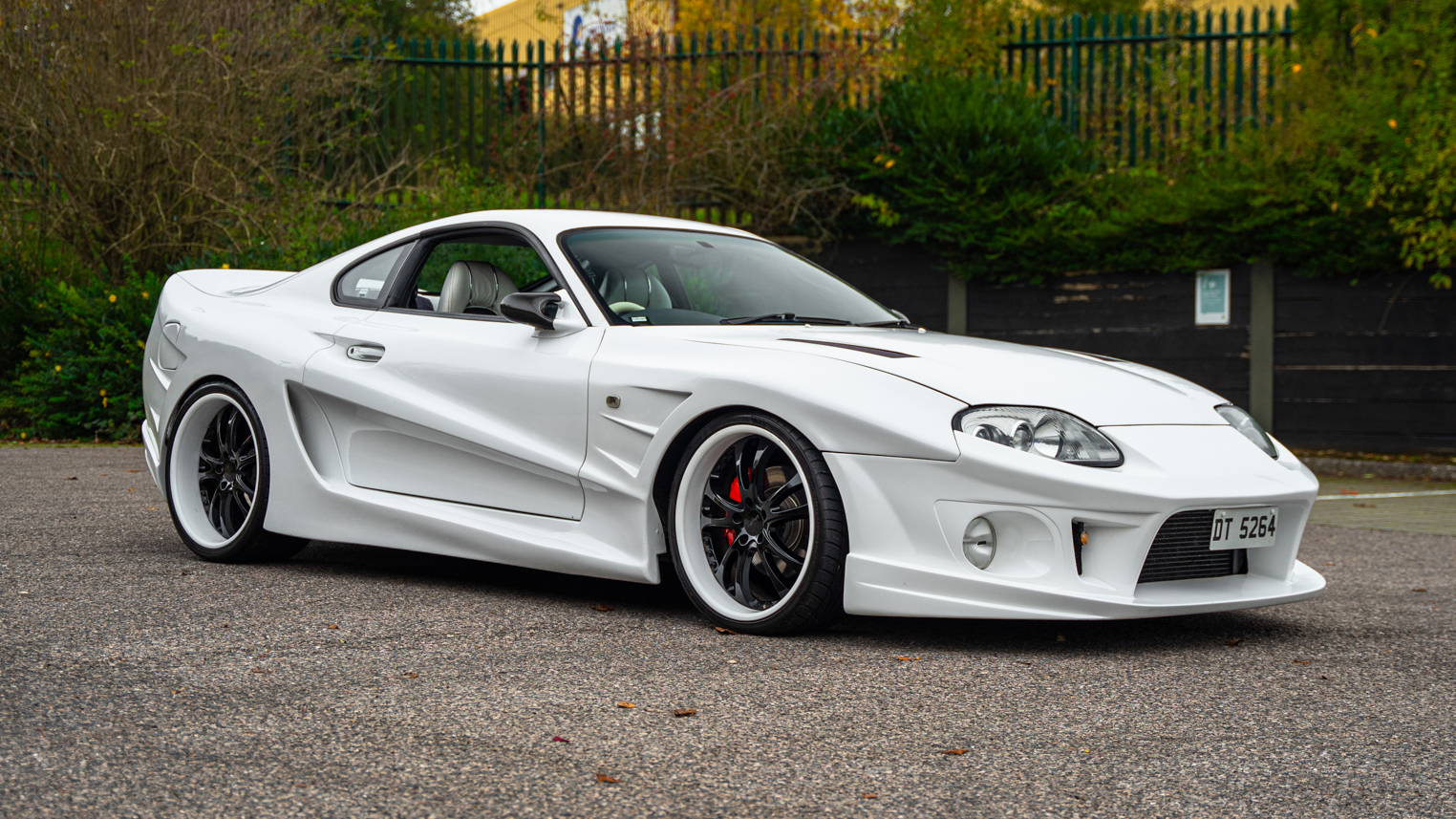
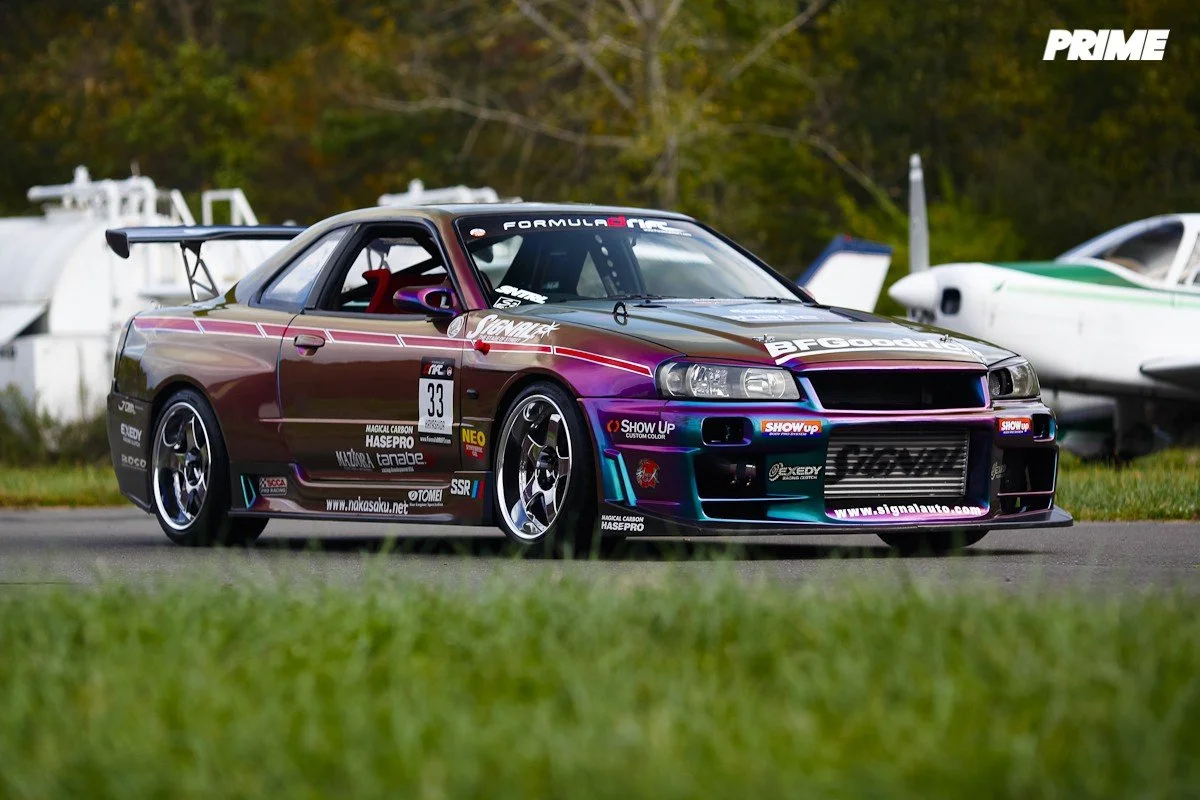
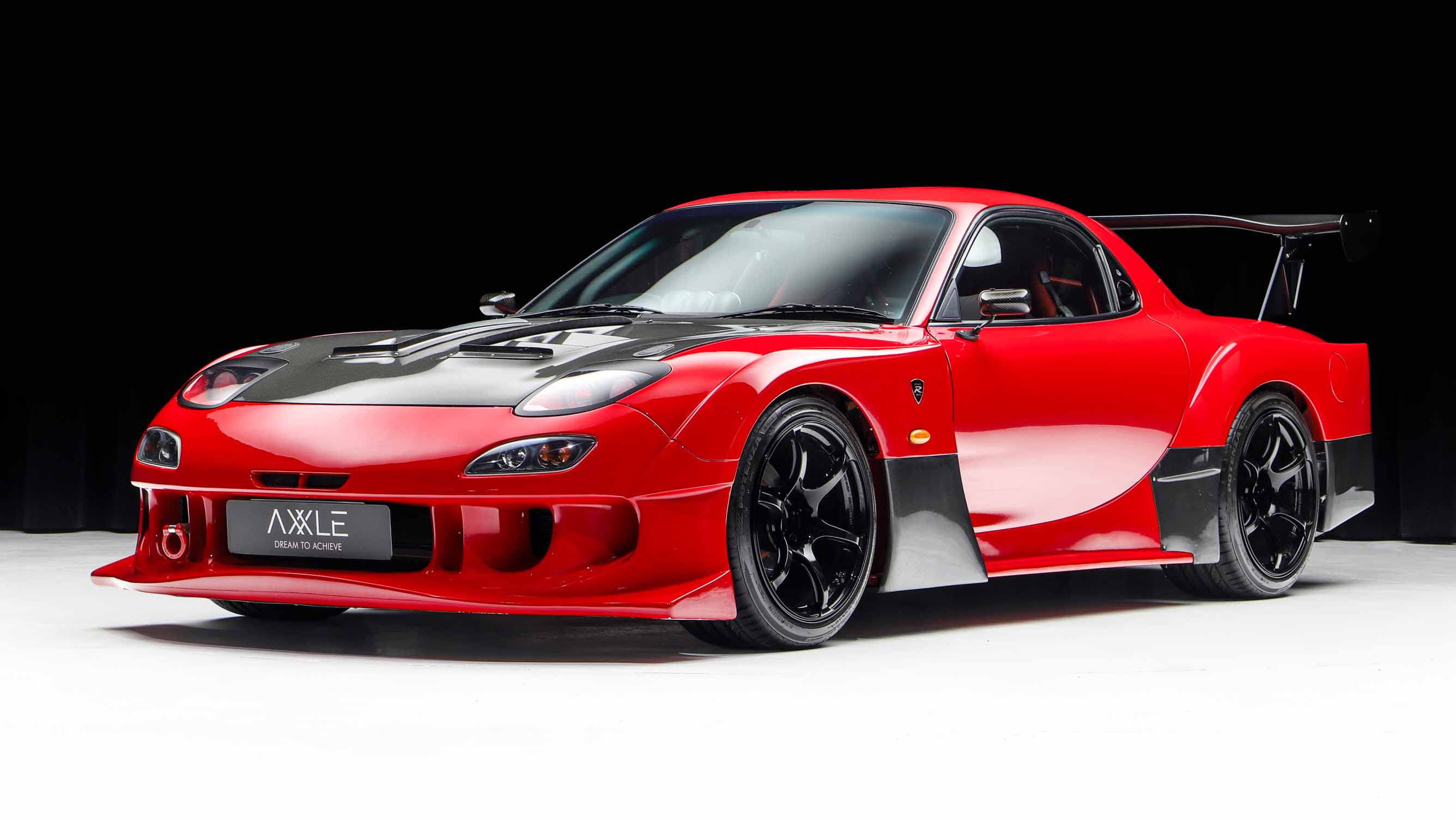
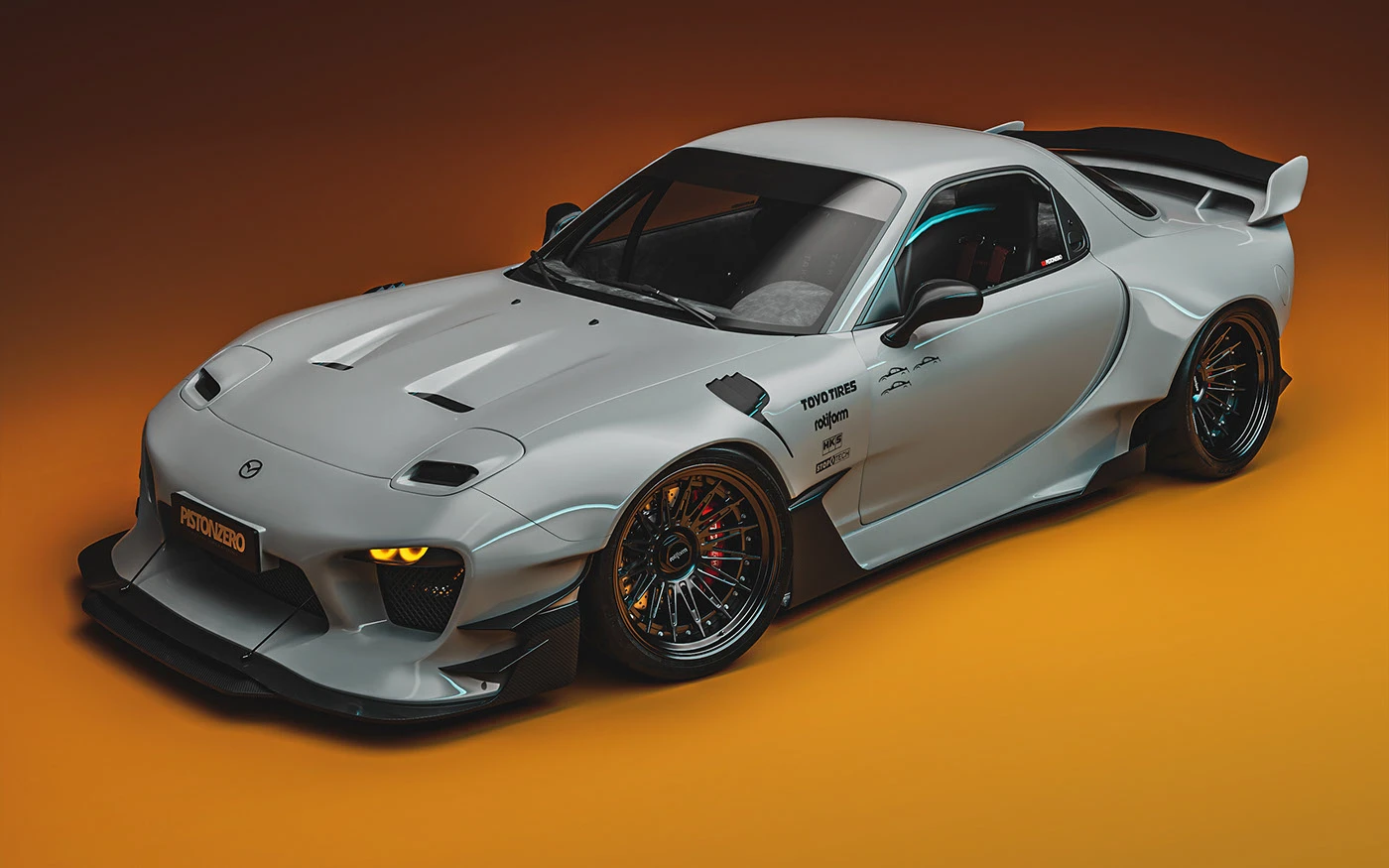
To understand why Korean cars are being compared to JDM, we first need to understand what made Japanese cars so special.
During the 1990s and early 2000s, Japanese manufacturers produced a lineup of cars that were:
- Affordable
- Highly tunable
- Performance-focused
Engines like Toyota’s 2JZ, Nissan’s RB26, and Mazda’s 13B rotary became icons because they could handle massive power upgrades.
But just as important as the cars themselves was the culture that formed around them.
Movies like The Fast and the Furious introduced the world to street tuning culture, and Japanese cars quickly became the symbols of that movement.
For years, if you wanted to build a fast, affordable project car, the answer was simple:
Buy Japanese.
The Rise of Korean Performance



For a long time, Korean cars were not taken seriously by enthusiasts. Brands like Hyundai Motor Company and Kia were known mostly for economy cars rather than performance machines.
That perception began to change dramatically in the late 2010s.
Hyundai launched its N performance division, led by former BMW M engineering chief Albert Biermann. His mission was simple: build cars that enthusiasts would love.
The result was a new generation of Korean performance cars that delivered:
- Track-ready engineering
- Aggressive styling
- Exceptional value for money
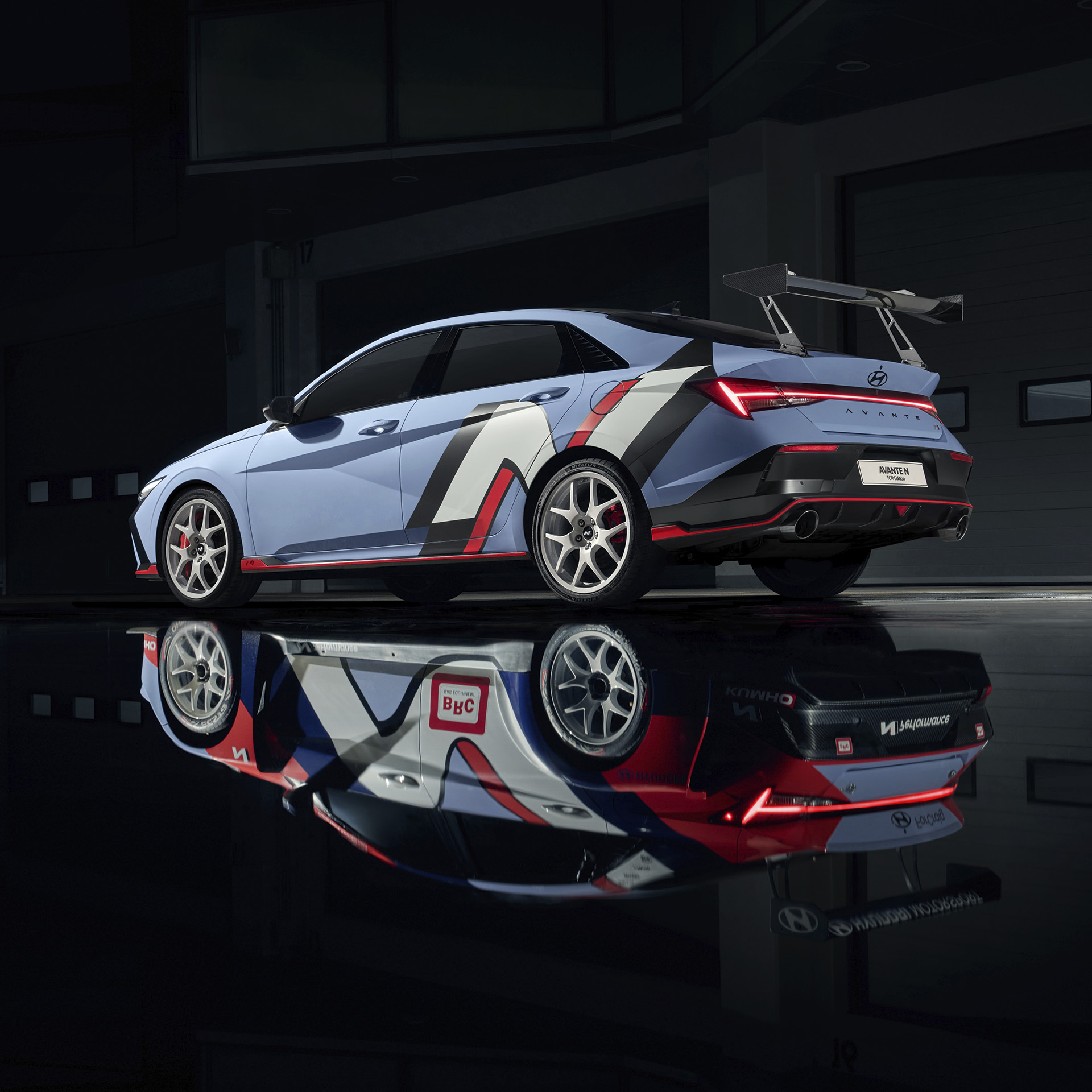
Cars like the Hyundai Elantra N and Hyundai Veloster N quickly earned praise from journalists and track drivers alike.
Suddenly, Korean cars were no longer the underdogs of the automotive world.
They were contenders.
Why Korean Cars Are Attracting Tuners

The tuner community has always been drawn to cars with three key traits:
- Strong engines
- Affordable entry price
- Aftermarket potential
Modern Korean performance cars are starting to check all three boxes.
For example, the Theta II turbo engine found in many Hyundai and Kia models has proven capable of handling substantial horsepower gains with the right modifications.
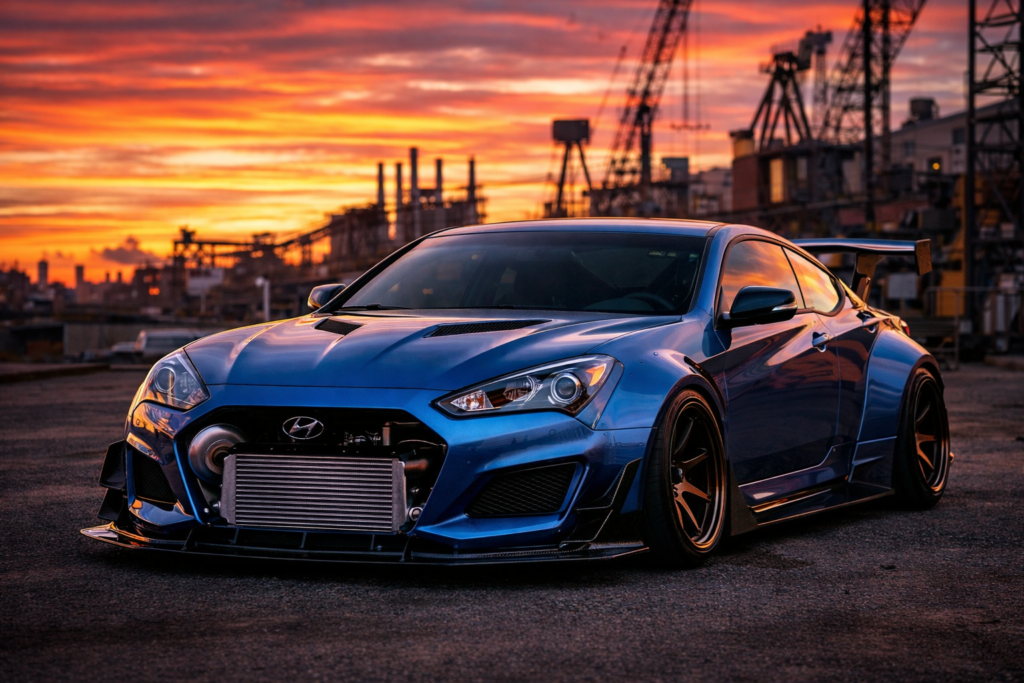
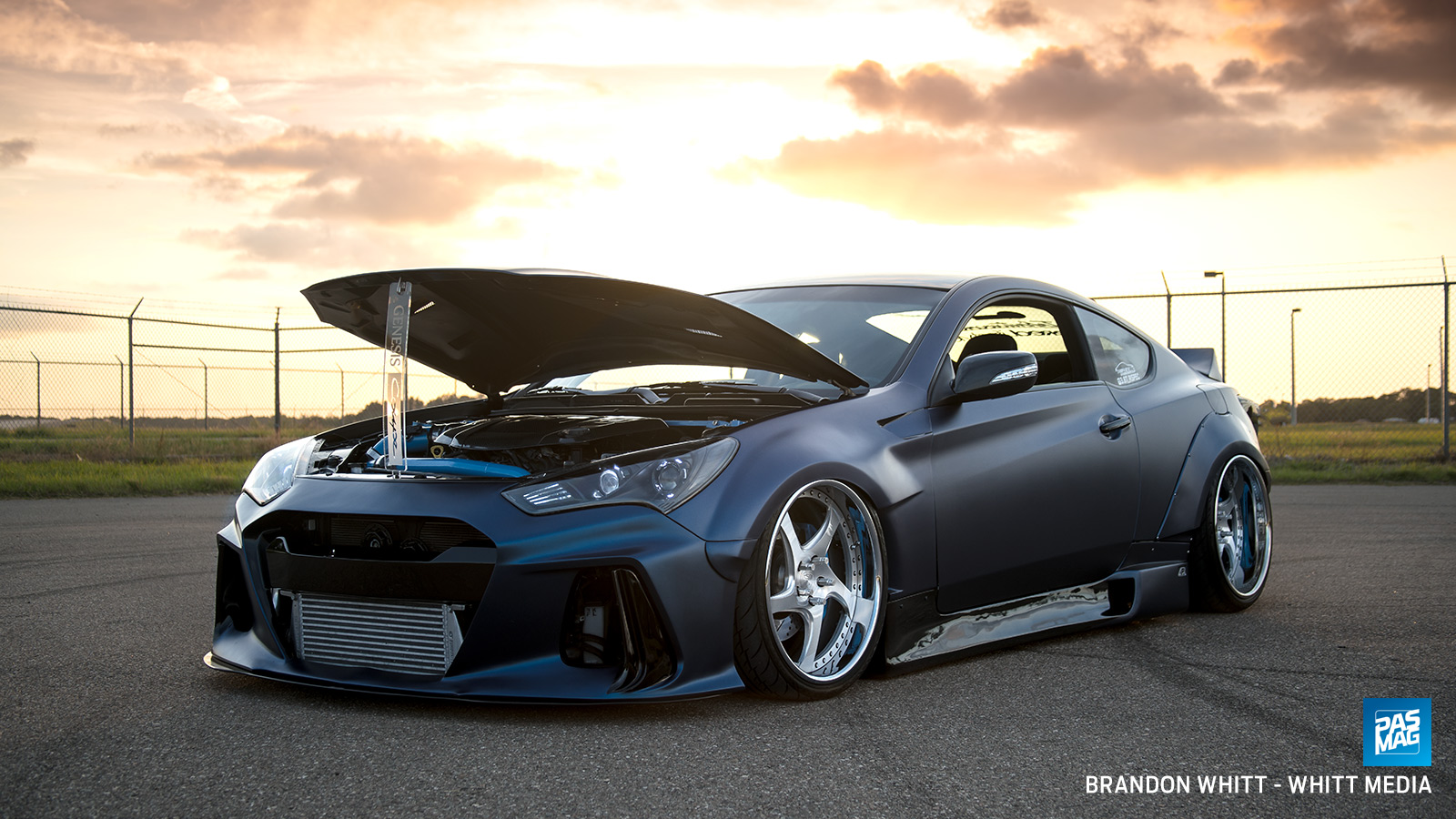
Cars like the Hyundai Genesis Coupe have already built a reputation in the tuning world, with enthusiasts pushing these platforms well beyond factory performance limits.
Meanwhile, the growing popularity of the Hyundai N lineup has encouraged aftermarket companies to develop new parts, including:
- ECU tuning
- upgraded intercoolers
- turbo upgrades
- suspension systems
- performance exhausts
Just like the early days of JDM tuning, the ecosystem around Korean performance cars is rapidly expanding.
The Value Advantage
One of the biggest reasons Japanese tuner cars exploded in popularity during the 1990s was price.
You could buy a relatively affordable platform and build it into something far more powerful than its price suggested.
That same formula is now appearing again with Korean cars.
For example:
| Car | Approx Price | Performance |
|---|---|---|
| Hyundai Elantra N | ~$35k | Track-ready performance |
| Kia Stinger GT | ~$45k | Twin-turbo V6 power |
| Hyundai Genesis Coupe | Used bargains | Huge tuning potential |
Compared with many German performance cars, Korean models offer a tremendous amount of performance per dollar.
And tuners love value.
A New Performance Era
The most fascinating part of the Korean performance movement is that it is happening during a massive transition in the auto industry.
While traditional sports cars still dominate enthusiast culture, new electric performance models are emerging.
Cars like the Hyundai Ioniq 5 N and Kia EV6 GT show that Korea is not just following trends—it is helping define the future of performance.
This could mean the next evolution of tuner culture might include not only engine modifications but also software tuning and electric performance upgrades.
So… Are Korean Cars the New JDM?
The answer is both yes and no.
Japanese tuner culture is legendary and deeply rooted in decades of automotive history. That legacy will never be replaced.
But what we are witnessing today is something remarkably similar to the early days of JDM performance:
- affordable cars
- enthusiastic communities
- rapidly growing aftermarket support
Korean cars may not replace JDM.
But they might become the next great chapter in global tuner culture.
And if the current momentum continues, the streets—and racetracks—of the future may be filled with a new generation of performance machines proudly wearing Korean badges.