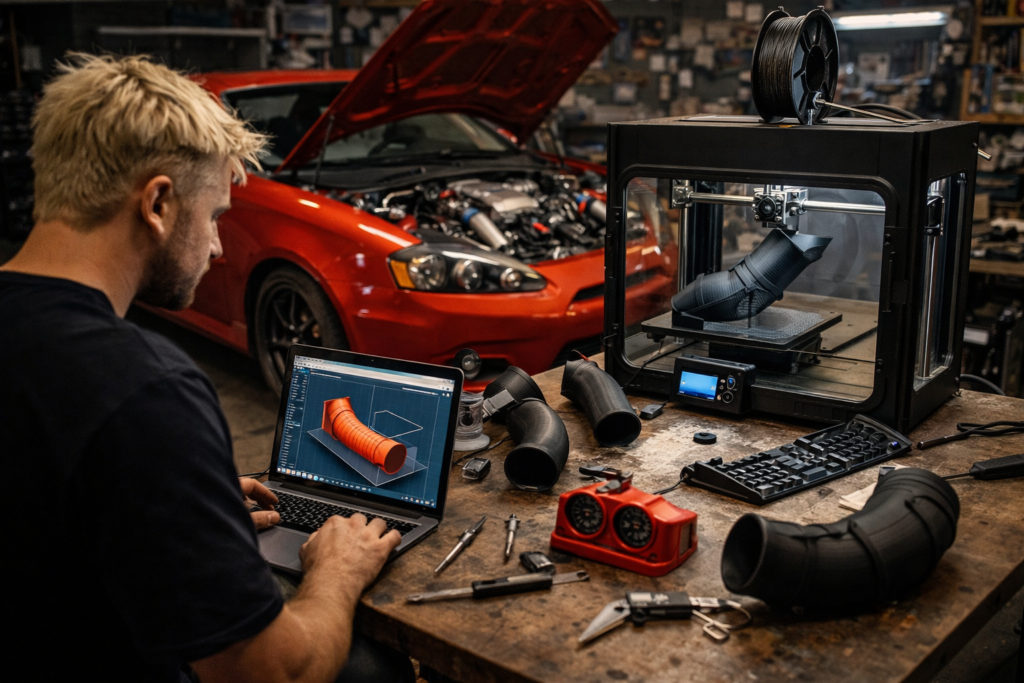
How home builders are reshaping Hyundai, Kia, and the future of tuning

Not long ago, building custom car parts required one of three things:
- a professional fabrication shop
- expensive machining tools
- or deep industry connections
Today?
All you need is a $300–$1000 3D printer, a laptop, and some creativity.
And nowhere is this shift more exciting than in the world of Korean car modding.
Platforms like Hyundai, Kia, and Genesis—already known for affordability and experimentation—are becoming the perfect playground for this new DIY revolution.
🧠 From Consumer to Creator
Traditional car modding was limited by access.
If you couldn’t buy a part, you had to fabricate it—something most enthusiasts simply couldn’t do.
3D printing changes that completely.
Now, builders can:
- design their own parts
- prototype rapidly
- iterate quickly
- produce custom solutions at home
For Hyundai and Kia owners—where aftermarket support is still growing—this is a game changer.
🔧 What People Are Actually Printing
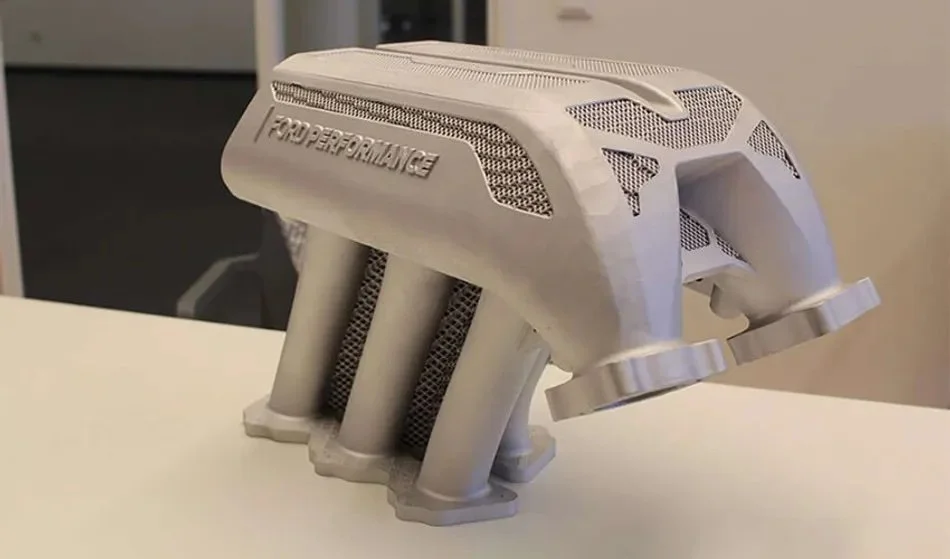
Let’s be clear—3D printing isn’t (yet) replacing forged engine internals or turbo housings.
But the range of usable parts is expanding fast.
Common 3D Printed Mods
Interior Mods
- custom gauge pods
- phone mounts
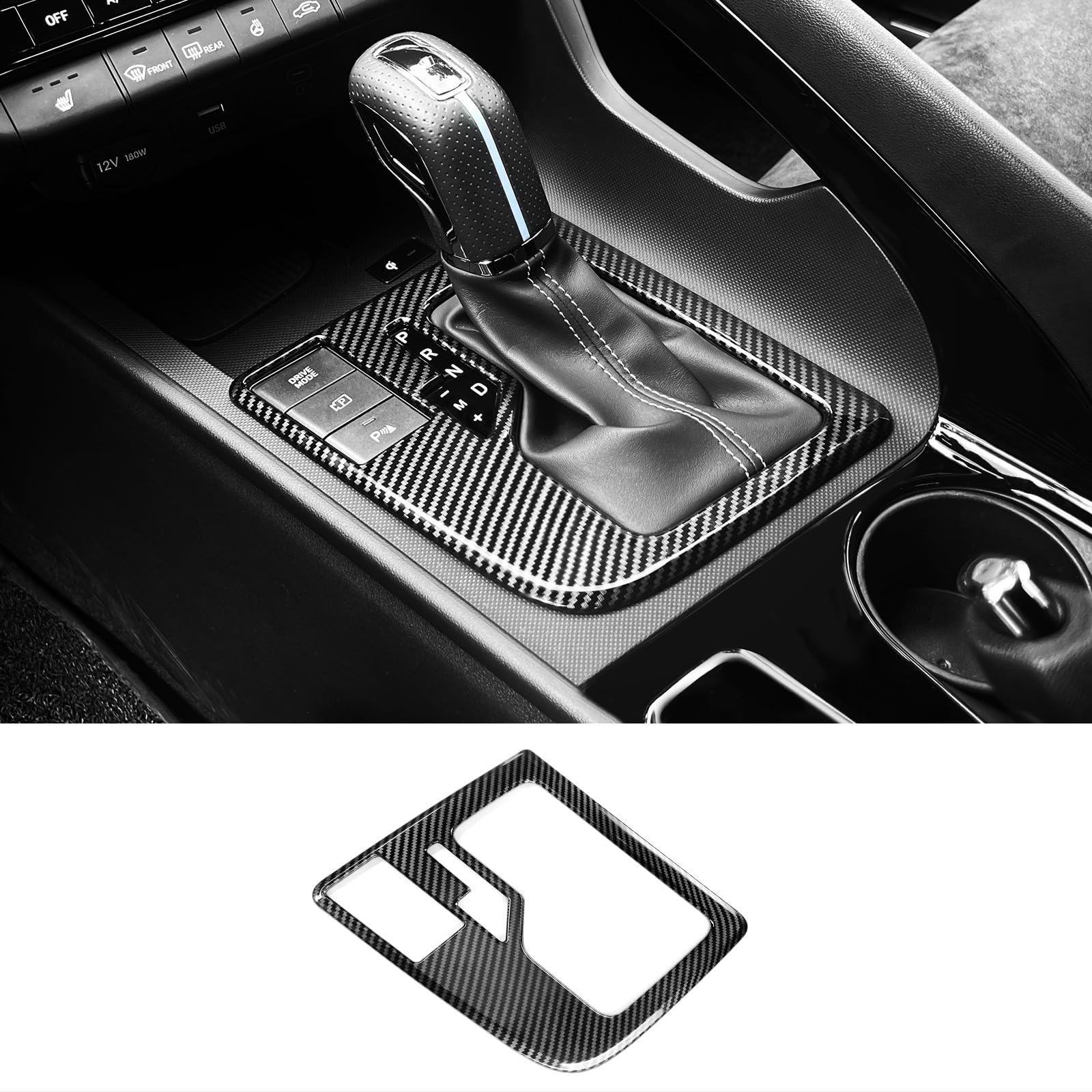
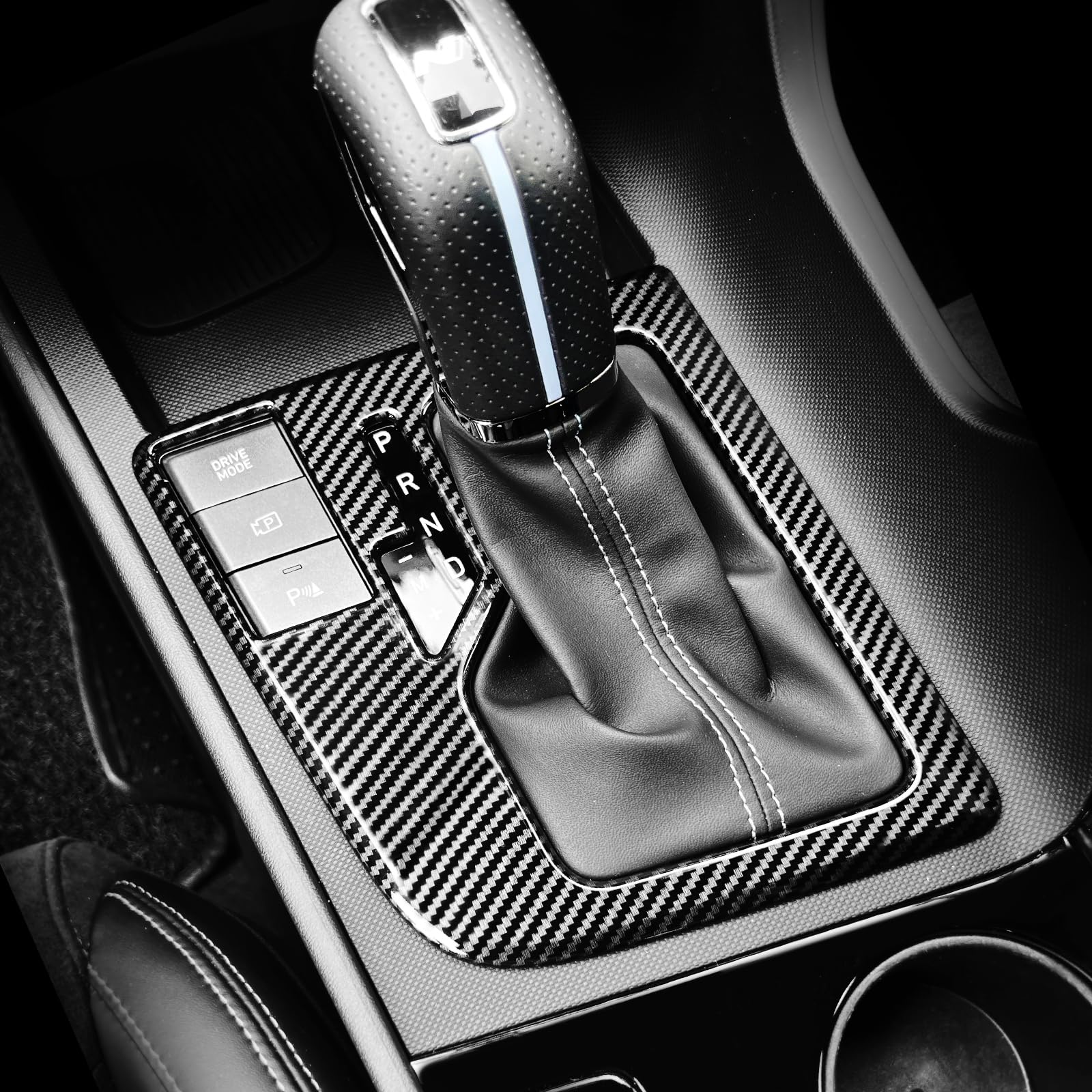
- switch panels
- trim pieces
Engine Bay Components
- intake ducts
- air guides
- heat shields
- wire management brackets
Exterior Mods
- badges & emblems
- grille inserts
- aero fins & splitters (prototype level)
For cars like the Hyundai Elantra N or Kia Stinger, this allows owners to create completely unique builds without waiting for aftermarket companies to catch up.
⚡ Real Power: Why Korean Cars Benefit the Most
Here’s where things get interesting.
Japanese and German platforms already have massive aftermarket ecosystems.
But Korean cars?
Still growing.
That gap creates opportunity.
Instead of waiting for companies to release parts, Hyundai and Kia enthusiasts are:
- designing their own solutions
- sharing files online
- building micro-communities around custom mods
This is exactly how early JDM culture evolved—just faster.
🏠 How Powerful Are Home 3D Printers?
Modern consumer printers are far more capable than people realize.
Entry-Level ($300–$500)
- PLA / PETG materials
- interior and cosmetic parts
- basic functional components
Mid-Range ($500–$1500)
- ABS / Nylon / Carbon fiber blends
- heat-resistant parts
- semi-structural components
Advanced Hobbyist Setup
- enclosed printers
- reinforced filaments
- near-professional quality
With the right materials, you can produce parts that:
- withstand engine bay temperatures
- handle vibration and stress
- last long-term in real-world conditions
That’s insane when you think about it.
🧪 The Rise of Custom Korean Builds
Because Korean cars are still underrepresented in the aftermarket world, 3D printing is accelerating innovation.
We’re already seeing:
- custom intake routing solutions for turbo Hyundai builds
- unique interior layouts in Elantra N and Veloster N builds
- one-off aesthetic parts no one else has
This creates something powerful:
True individuality
Not just bolt-on builds—but original creations.
🌐 Open-Source Tuning Culture
Another major shift is happening alongside 3D printing:
File sharing.
Builders are uploading designs for:
- mounts
- brackets
- adapters
- custom components
This creates a decentralized ecosystem where:
- knowledge spreads faster
- innovation compounds
- beginners can jump in quickly
For Korean cars, this could accelerate their tuning scene faster than any traditional aftermarket ever could.
🚀 The Future: Printed Performance?
We’re still early—but the future is clear.
As materials improve, we’ll likely see:
- stronger heat-resistant plastics
- hybrid printed + metal components
- more structural applications
Eventually, it’s not crazy to imagine:
- fully custom intake manifolds
- aerodynamic components designed at home
- modular upgrade systems printed on demand
And again—Korean platforms are perfectly positioned for this.
🏁 Final Thoughts
3D printing is doing more than making car parts.
It’s changing who gets to build cars.
For Hyundai and Kia enthusiasts, this means:
- no more waiting for aftermarket companies
- no more limitations on creativity
- no more “unsupported platform” excuses
Instead, we’re entering an era where:
If you can design it—you can build it.
And in a tuning scene that’s still evolving like KDM…
That might be the biggest advantage of all.