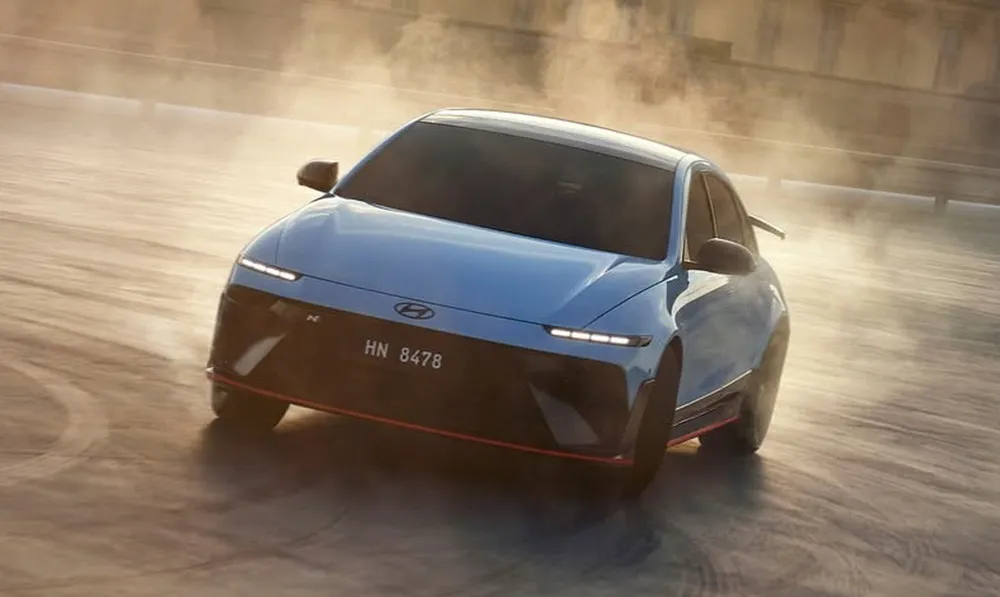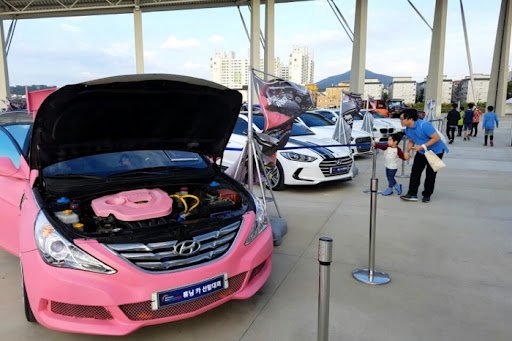
Korean cars have come a long way from being affordable commuter options — Hyundai, Kia, and Genesis now produce models that rival European performance cars. With growing factory-backed performance lines like Hyundai N and Kia Tuon, and a passionate tuning community emerging in Korea and abroad, enthusiasts now have great options.
But which Korean car is truly the best to tune?
Let’s break it down by performance potential, aftermarket support, costs, and upgrade paths.
🔧 What Makes a Car Good for Tuning?
A good tuning platform typically has:
- Strong engine potential (especially turbocharged motors)
- Rigid, balanced chassis for handling upgrades
- Abundant aftermarket support and community knowledge
- Affordable and available parts
- Legal tolerance (depending on country)
Hyundai and Kia both support tuning through official divisions — Hyundai’s TUIX and N Performance, and Kia’s Tuon — helping make performance upgrades more accessible and legal.
🏁 Top 5 Korean Cars to Tune (with Costs, Support, and Upgrade Paths)
| Rank | Model | Why It’s Great |
|---|---|---|
| 1 | Hyundai Veloster N | Best overall tuning balance (cost, power, handling) |
| 2 | Hyundai Elantra N (Avante N) | Excellent all-round sedan with strong community |
| 3 | Genesis G70 | RWD luxury performance car with massive upgrade headroom |
| 4 | Kia Stinger GT / K5 GT-Line | Big-body performance with tuning potential |
| 5 | Hyundai Avante / Elantra (non-N) | Best low-budget tuning starter |
1️⃣ Hyundai Veloster N
Why it ranks #1:
- Factory turbocharged 2.0 L engine (275 hp stock) with forged components
- Excellent chassis balance, LSD, and factory support via N Performance parts
- Popular worldwide with strong community and aftermarket
Typical Tuning Stages & Estimated Costs (USD):
| Stage | Upgrades | Est. Cost | Notes |
|---|---|---|---|
| Stage 1 – Street Tune | Cold air intake, cat-back exhaust, ECU tune, basic coilovers | $700 – $2,200 | Easy bolt-ons, noticeable power and response |
| Stage 2 – Track Prep | Downpipe, intercooler, turbo inlet, upgraded brakes & clutch | $3,500 – $7,000 | Serious gains (+40–60 hp possible) |
| Stage 3 – Full Build | Big turbo, forged pistons, fuel system, roll cage, LSD upgrades | $10,000 + | Up to 400+ hp but expensive & reliability drops |
Aftermarket & Support:
Very strong — tons of parts in both Korea and the U.S., plus official Hyundai N Performance catalog items (intake, strut bars, aero kits).
Verdict:
🔥 The best Korean car to tune overall. Balanced, reliable, and backed by both the factory and the community.
2️⃣ Hyundai Elantra N (Avante N)
Why it’s great:
- Uses the same 2.0 L turbo engine as the Veloster N
- Larger, more practical sedan layout
- Shares most tuning compatibility with Veloster N
Typical Costs (USD):
| Stage | Upgrades | Est. Cost | Notes |
|---|---|---|---|
| Stage 1 | ECU tune, intake, exhaust | $600 – $1,800 | Similar to Veloster N Stage 1 |
| Stage 2 | Intercooler, downpipe, suspension | $3,000 – $6,000 | Track-capable setup |
| Stage 3 | Turbo upgrade, forged engine build | $8,000 + | High-power setup; may affect reliability |
Verdict:
A practical yet powerful tuning base — perfect if you want a sleeper four-door performance car.
3️⃣ Genesis G70
Why it’s great:
- Rear-wheel drive, high-quality chassis, 2.0 T or 3.3 T twin-turbo V6 engines
- High tuning ceiling (up to 500 hp+ possible with mods)
- Strong appeal for track or luxury performance builds
Typical Costs (USD):
| Stage | Upgrades | Est. Cost | Notes |
|---|---|---|---|
| Stage 1 | ECU remap, intake, exhaust | $1,000 – $2,500 | Easy +50 hp on 3.3 T |
| Stage 2 | Downpipes, intercooler, tune | $4,000 – $8,000 | Brings 400+ hp potential |
| Stage 3 | Turbo swap, methanol, suspension overhaul | $10,000 + | Huge power but luxury-car maintenance costs |
Verdict:
💎 A beast for serious tuners — powerful but pricey. Ideal for high-budget builds.
4️⃣ Kia Stinger GT / K5 GT-Line
Why it’s great:
- Twin-turbo V6 or turbo I4 powerplants with solid drivetrains
- Stylish and roomy with strong aftermarket support abroad
- Good daily + weekend racer combo
Typical Costs (USD):
| Stage | Upgrades | Est. Cost | Notes |
|---|---|---|---|
| Stage 1 | ECU flash, intake, exhaust | $1,200 – $2,000 | Gains of +40 – 60 hp on 3.3 T |
| Stage 2 | Downpipes, intercooler, suspension | $3,000 – $5,000 | More torque and track stability |
| Stage 3 | Turbo upgrade, full tune | $8,000 – $12,000 | Heavy but powerful — up to 450+ hp |
Verdict:
A sporty luxury platform that responds well to tuning, but costs rise quickly with its size and complexity.
5️⃣ Hyundai Avante / Elantra (non-N versions)
Why it’s good for beginners:
- Cheap to buy, simple to work on
- Ideal for suspension, wheel, and intake mods
- Great “starter” project before moving to an N-car
Typical Costs (USD):
| Stage | Upgrades | Est. Cost | Notes |
|---|---|---|---|
| Stage 1 | Intake, coilovers, wheels | $500 – $1,200 | Good for stance & handling |
| Stage 2 | Mild turbo kits or ECU flash | $2,000 – $3,500 | Power gains limited by weak internals |
| Stage 3 | Full engine swap or big turbo | $5,000 + | High risk, low resale, hobbyist only |
Verdict:
🚗 Best entry-level tuner car in Korea — affordable, fun, and a gateway to serious builds later.
⚖️ Legal and Market Context in Korea
Korea’s tuning laws used to be strict, but since 2021 the government has gradually deregulated cosmetic and performance modifications.
- Hyundai and Kia officially sell certified tuning parts via TUIX / Tuon / N Performance.
- Emission and noise rules still apply; big turbo and exhaust mods often remain “track-use only.”
- Warranty can be voided if non-OEM parts cause failure, though dealer enforcement varies.
Aftermarket shops (like KDM Holic, SP Engineering Korea, and N Performance Garage) now support ECU flashes, track setups, and aesthetic builds safely within regulations.
🏆 Final Rankings by Tuning Goal
| Goal | Best Korean Car | Why |
|---|---|---|
| Best overall tuner | Hyundai Veloster N | Factory turbo, cheap parts, reliable power gains |
| Best 4-door performance | Elantra N | Same powertrain, more space |
| Best RWD performance | Genesis G70 | Huge tuning ceiling |
| Best daily + performance mix | Kia Stinger GT | Luxury meets power |
| Best budget starter | Avante / Elantra (non-N) | Easy, cheap, fun entry platform |
⚙️ Conclusion
If you want the best Korean car to tune, nothing beats the Hyundai Veloster N for its mix of affordability, performance, and community support.
For a daily-driver sedan, the Elantra N gives nearly the same potential in a more practical form.
And if you have the budget, the Genesis G70 or Kia Stinger can evolve into genuine high-performance machines.
No matter which you choose — Korean cars are now officially tuner-friendly territory.