0
0
 0
0
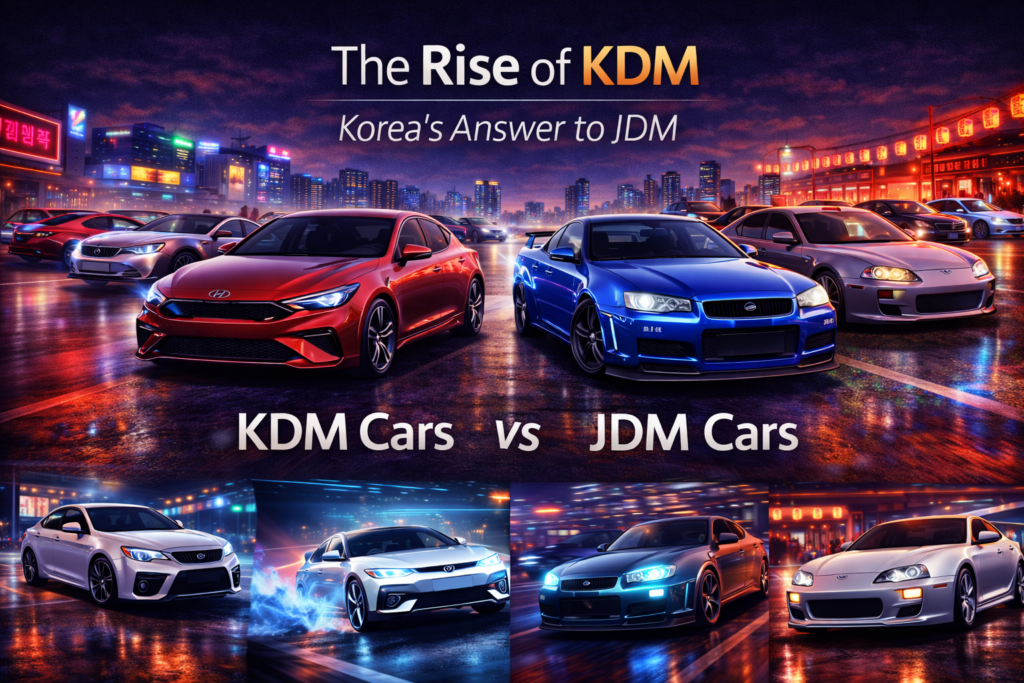
For decades, the global car enthusiast scene has been dominated by one acronym: JDM (Japanese Domestic Market). From turbocharged legends to drift icons, Japan set the gold standard for tuner culture. But quietly—then suddenly—another movement has been rising.
KDM.
Short for Korean Domestic Market, KDM is no longer just a niche—it’s becoming a full-fledged automotive culture. And in many ways, it represents Korea’s answer to JDM: modern, bold, and evolving at an accelerated pace.
What Is KDM?
KDM refers to vehicles and parts produced for the Korean domestic market. But culturally, it has come to represent something much bigger:
- Korean-built performance cars
- Unique styling and tuning culture
- A growing global enthusiast community
- A new identity in the automotive world
Unlike JDM, which has decades of history, KDM is still being written in real time—which is exactly what makes it exciting.
The Foundations: Humble Beginnings


KDM didn’t start with supercars or high-performance icons. It started with:
- Hyundai Tiburon
- Hyundai Genesis Coupe
- Kia Forte Koup
These cars weren’t perfect—but they were accessible, modifiable, and full of potential.
For many enthusiasts, especially in North America, these vehicles became entry points into tuning—similar to how Civics and 240SXs fueled early JDM culture.
The Turning Point: Performance Credibility


KDM’s real breakthrough came when Korean automakers proved they could build serious performance cars.
Key milestones included:
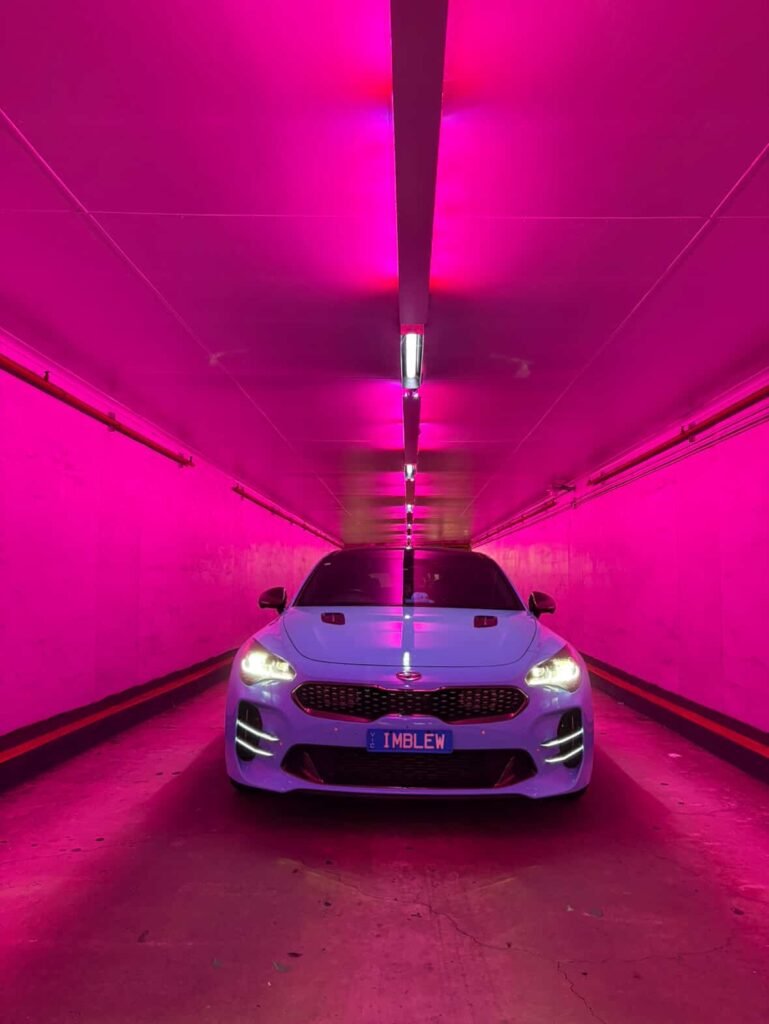
- Kia Stinger GT – A true sports sedan challenger
- Hyundai Elantra N – Track-ready performance at an affordable price
- Hyundai i30 N – Europe’s hot hatch disruptor
- Kia EV6 GT – Electrified performance redefining speed
With the influence of Albert Biermann, Hyundai’s N division brought legitimacy to Korean performance.
This wasn’t imitation anymore—it was competition.
KDM vs JDM: Key Differences


Philosophy
| Category | JDM | KDM |
|---|---|---|
| Origins | Motorsport & grassroots tuning | Rapid industrial growth & innovation |
| Identity | Heritage-driven | Future-focused |
| Approach | Mechanical purity | Tech-integrated performance |
Design Language
- JDM: Raw, mechanical, sometimes aggressive
- KDM: Clean, modern, design-forward
Technology
- JDM: Analog roots, evolving into digital
- KDM: Born in the digital era—tech-first
The Role of Design and Global Talent
KDM’s rise isn’t accidental—it’s engineered.
Key figures like Peter Schreyer and Luc Donckerwolke helped redefine Korean automotive aesthetics.
The result:
- Cohesive brand identities
- Premium-level design language
- Global appeal
KDM cars don’t just perform—they look the part.
The Electric Advantage


Here’s where KDM may actually surpass JDM.
Korean automakers are leading in:
- EV platforms (E-GMP)
- Fast charging technology
- Electric performance
Cars like the Hyundai Ioniq 5 N show that KDM isn’t just catching up—it’s leapfrogging into the future.
The Culture: Still in the Making
Unlike JDM, which has decades of films, games, and icons, KDM culture is still forming.
But that’s changing.
Signs of Growth:
- Increasing presence at global car meets
- Online communities and forums expanding
- More aftermarket support
- Rising interest in Korean performance builds
And perhaps most importantly:
- A growing sense of identity and pride
Challenges KDM Still Faces
Let’s be honest—KDM isn’t fully there yet.
Current Limitations:
- Smaller aftermarket compared to JDM
- Fewer iconic legacy models (for now)
- Still building global recognition
But these are growing pains, not permanent barriers.
The Future of KDM
If current trends continue, the next decade could see:
- More dedicated performance platforms
- Stronger aftermarket ecosystems
- Iconic “halo” cars that define the culture
- Continued leadership in EV performance
KDM isn’t trying to replace JDM—it’s carving its own path.
Conclusion: A Culture in Real Time
The rise of KDM is one of the most exciting developments in modern car culture.
It represents:
- Innovation over tradition
- Speed of evolution over legacy
- A new generation of enthusiasts
While JDM will always hold legendary status, KDM offers something different:
👉 The chance to witness a culture being built in real time.
And for enthusiasts who get in early?
They won’t just be fans.
They’ll be part of the movement.