0
0
 0
0

How to turn a budget coupe into a serious performance machine
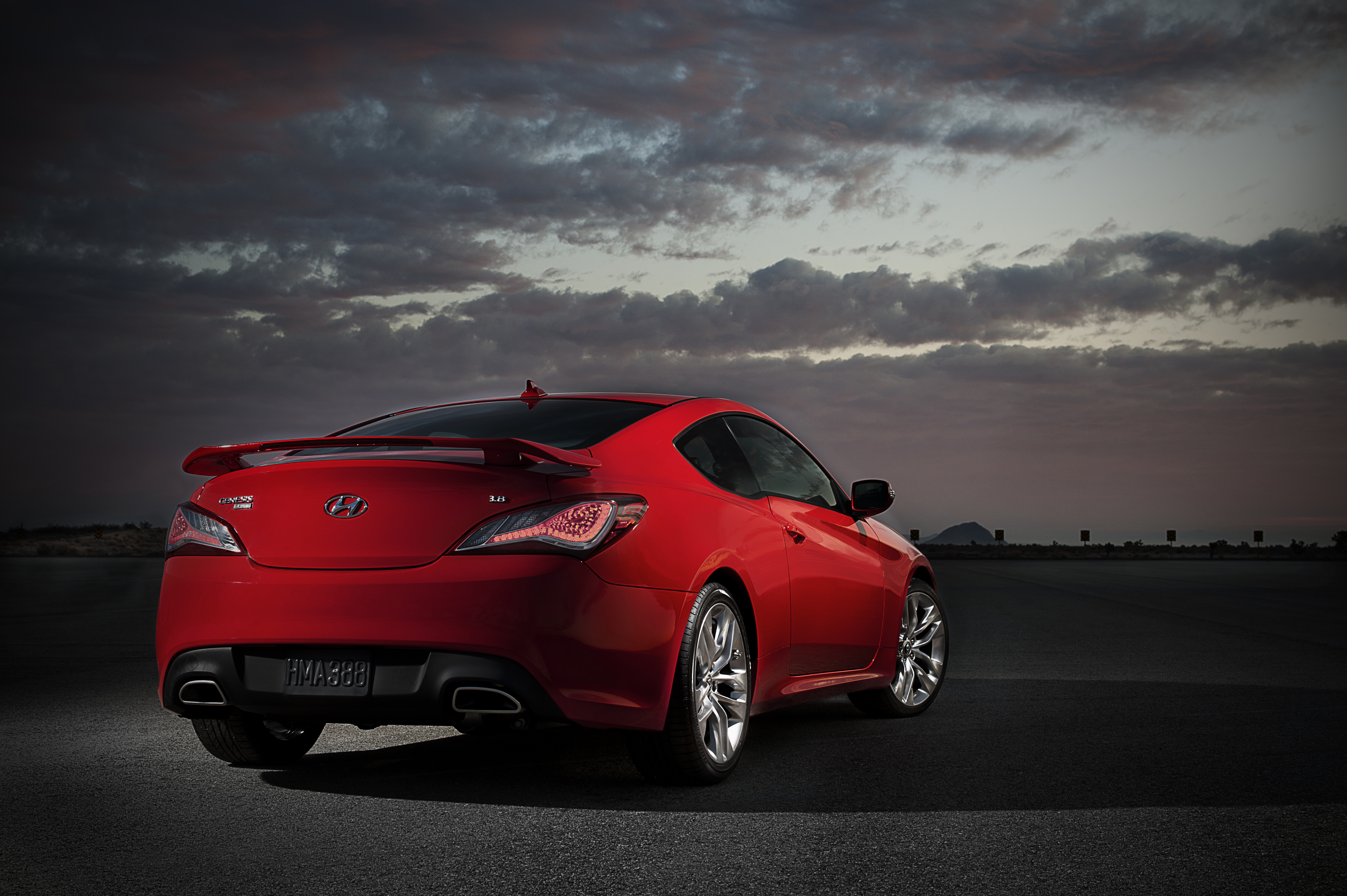


There was a time when making 400 horsepower meant one thing:
Spending serious money.
Today, thanks to platforms like the Hyundai Genesis Coupe, that barrier is gone.
With the right parts, planning, and tuning strategy, you can build a reliable 400HP setup without breaking into supercar-level budgets.
This guide breaks down exactly how.
🧠 Why the Genesis Coupe?
The Genesis Coupe is one of the best-kept secrets in the tuner world.
It gives you:
- Rear-wheel drive
- Turbo (2.0T) or V6 (3.8) options
- Strong aftermarket support
- Low entry price
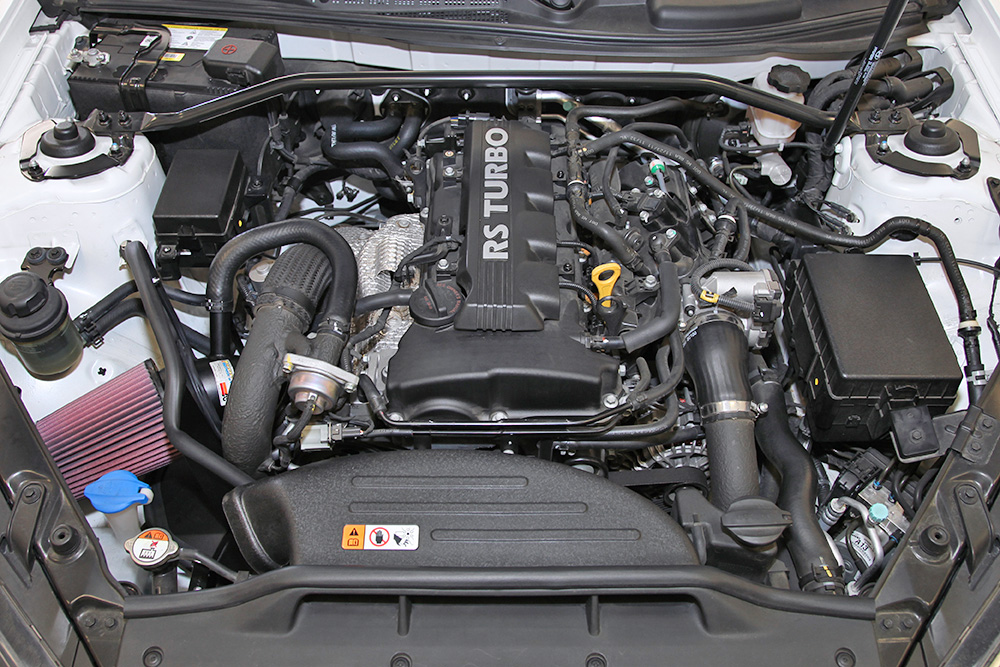
For a 400HP build, the 2.0T (Theta engine) is the clear winner.
Why?
Because boost = easy power.
🔧 Step 1: Start With the Right Platform
Recommended Base:
- 2010–2014 Genesis Coupe 2.0T
These are affordable and widely available.
💰 Estimated price:
- $5,000 – $10,000 (used market)
💨 Step 2: Turbo Upgrade (The Heart of the Build)
The stock turbo won’t get you to 400HP reliably.
Upgrade Options:
- Garrett GTX2867R
- BorgWarner EFR series
- Upgraded stock-frame turbos
Gains:
- Massive airflow increase
- Higher boost capability
- Better top-end power
💰 Budget:
- $1,200 – $2,500
🌬 Step 3: Supporting Air Mods
Airflow is everything in a turbo build.
Required:
- Front mount intercooler (FMIC)
- High-flow intake
- Upgraded charge pipes
Why it matters:
- Keeps temps low
- Prevents power loss
- Improves reliability
💰 Budget:
- $500 – $1,200
🔥 Step 4: Fuel System Upgrades
More air = more fuel needed.
Must-have:
- High-flow fuel pump
- Larger injectors
Optional (for max performance):
- E85 compatibility
💰 Budget:
- $400 – $1,000
🧠 Step 5: ECU Tuning (Where Power Is Made)
This is where everything comes together.
Options:
- Custom dyno tune
- Piggyback ECU
- Standalone ECU (advanced builds)
A proper tune will:
- optimize air/fuel ratios
- control boost levels
- ensure engine safety
💰 Budget:
- $500 – $1,500
🔊 Step 6: Exhaust & Downpipe
Let the engine breathe.
Upgrades:
- Turbo-back exhaust
- High-flow downpipe
Benefits:
- Increased horsepower
- Faster turbo spool
- Better sound
💰 Budget:
- $600 – $1,500
⚙️ Step 7: Supporting Reliability Mods
This is where many builds fail.
Don’t skip this.
Critical upgrades:
- Oil cooler
- Better spark plugs
- Upgraded ignition coils
Optional:
- Catch can
- Engine mounts
💰 Budget:
- $300 – $800
🏁 Step 8: Power Expectations
With the full setup:
- 350–400 WHP (wheel horsepower)
- 400+ crank horsepower
And most importantly:
Reliable daily-drivable power
💰 Total Build Cost Breakdown
| Category | Cost |
|---|---|
| Car | $5,000 – $10,000 |
| Turbo | $1,200 – $2,500 |
| Supporting Mods | $1,000 – $2,500 |
| Fuel + Tune | $1,000 – $2,000 |
| Misc | $500 – $1,000 |
Total:
👉 ~$10K – $18K all-in
That’s cheaper than most modern performance cars—and way more fun.
⚠️ Common Mistakes to Avoid
❌ Skipping tuning
Bad tune = blown engine
❌ Cheap parts
You get what you pay for
❌ Ignoring heat management
Heat kills turbo cars
❌ Chasing numbers only
Balance matters more than peak HP
🚀 Final Thoughts
The Hyundai Genesis Coupe proves something important:
You don’t need a $60,000 car to build something fast.
With the right setup, knowledge, and execution, you can create a 400HP rear-wheel-drive machine on a realistic budget.
And in today’s car world—
That’s one of the best performance bargains you can build.